How can an artwork for a hospital environment be shaped by the people who will live alongside it?
In 2026, I was commissioned by Bethlem Gallery to develop a participatory artwork with service users and staff at the National Autism Unit, Bethlem Royal Hospital. Through three linked workshops, we gradually developed the colour palette, materials, visual language and final form of the commission.
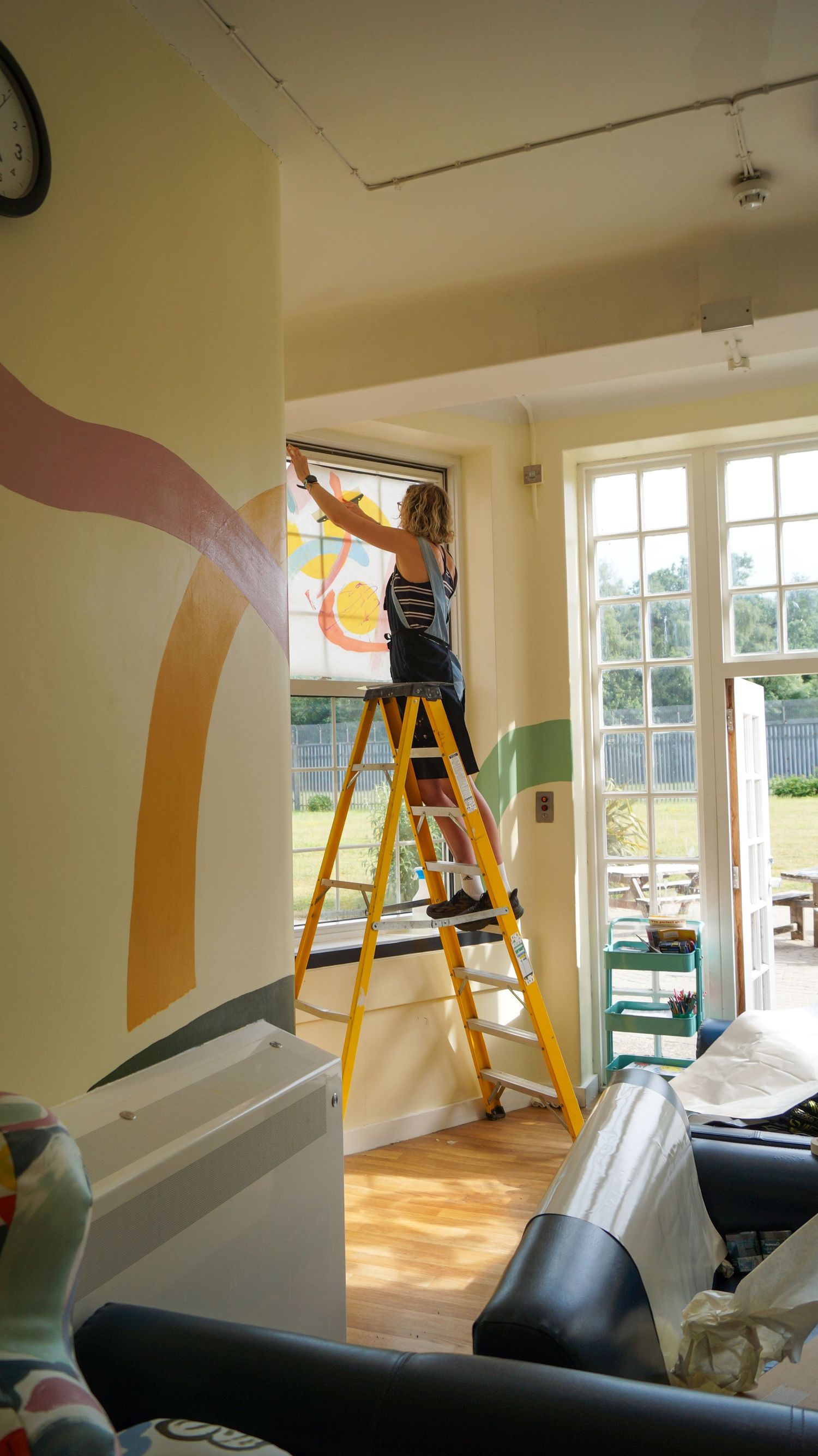
The completed installation includes a mural across two wings and the central area of the unit, window vinyls, bespoke sculptural cushions and an interactive whiteboard. This blog shares how the project developed from initial conversations and collaborative drawings into a permanent sensory environment.
“What's really worked well is having each session linked to the next step. One week we picked colours, next week these appeared in the design & we built upon these to think about the next design steps. It's really important because it shows the patients & staff that their thoughts & ideas have really been taken into consideration & informed the work, showing the patients that their opinions are valued & that it's a project for them to express themselves & have an artwork on the ward that they want”
Workshop Programme: Building trust through drawing, colour and texture
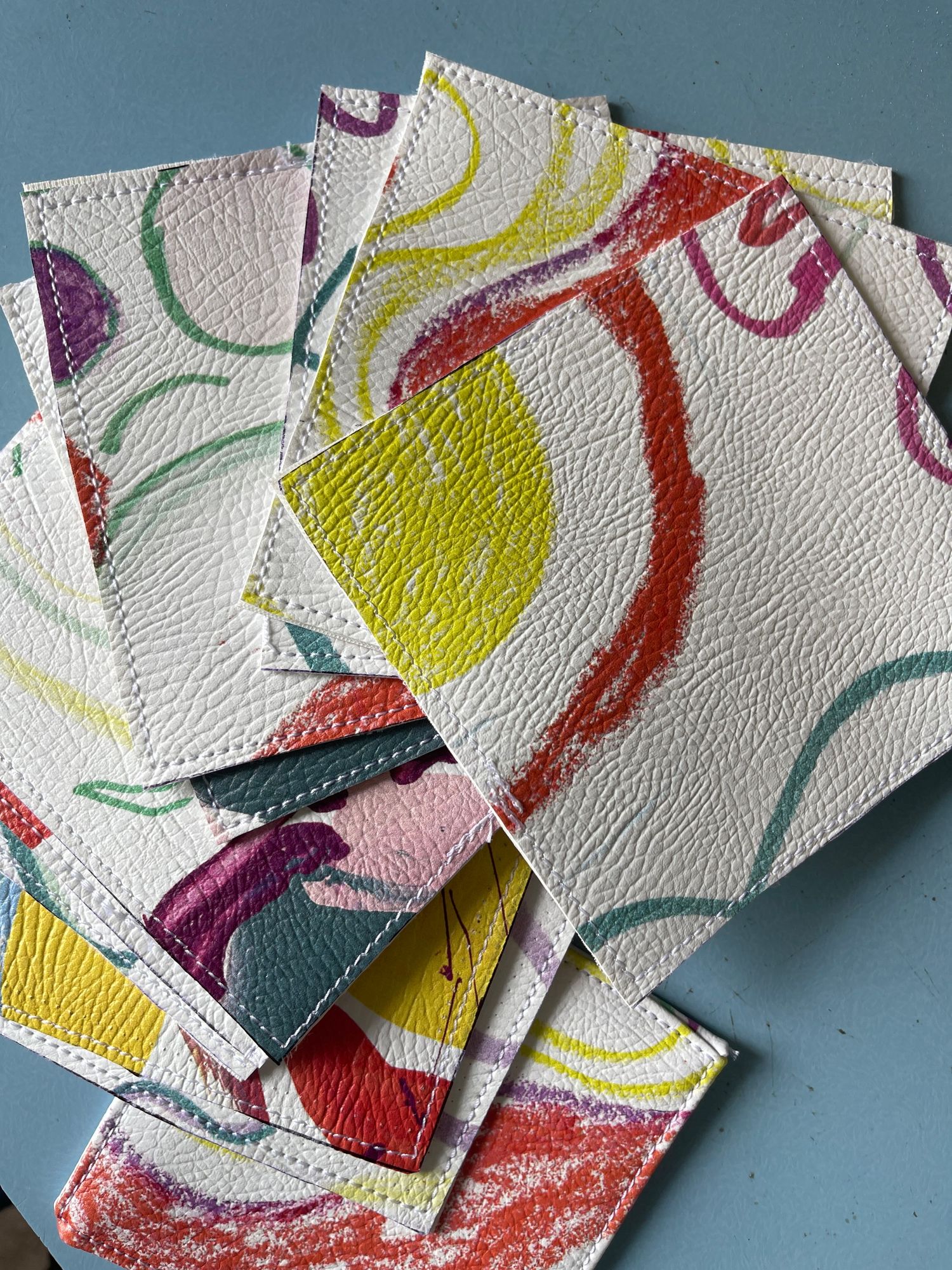
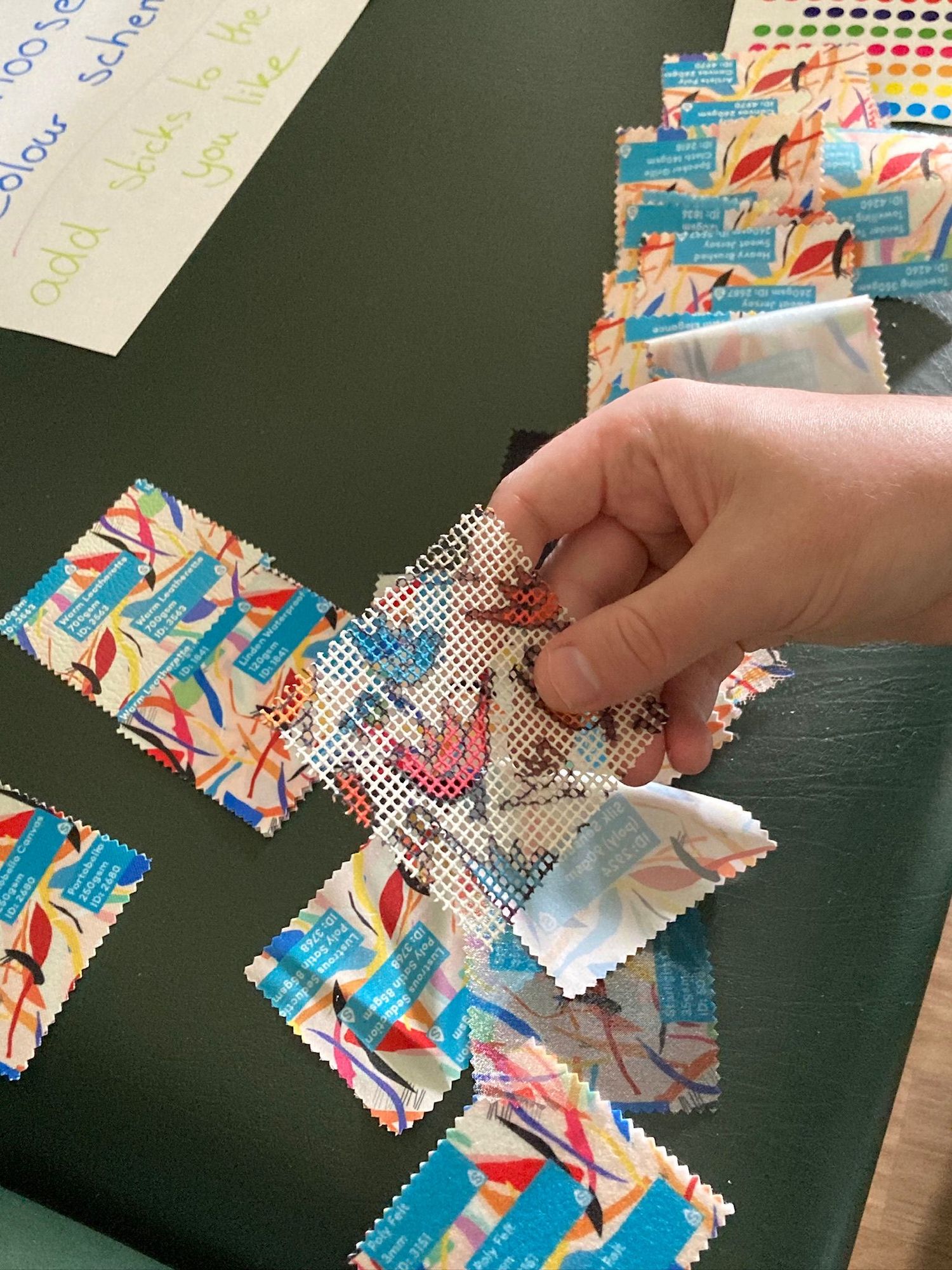
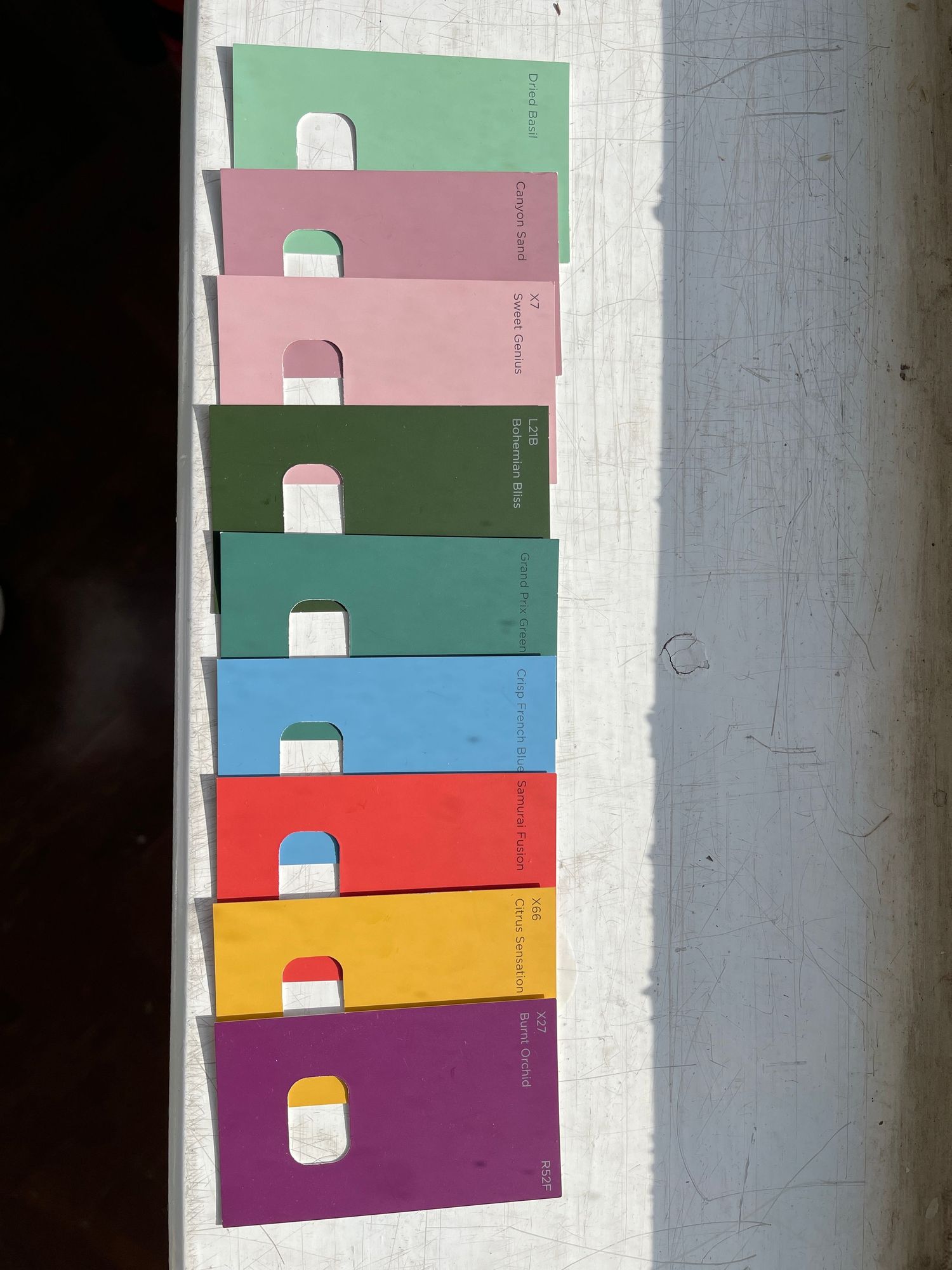
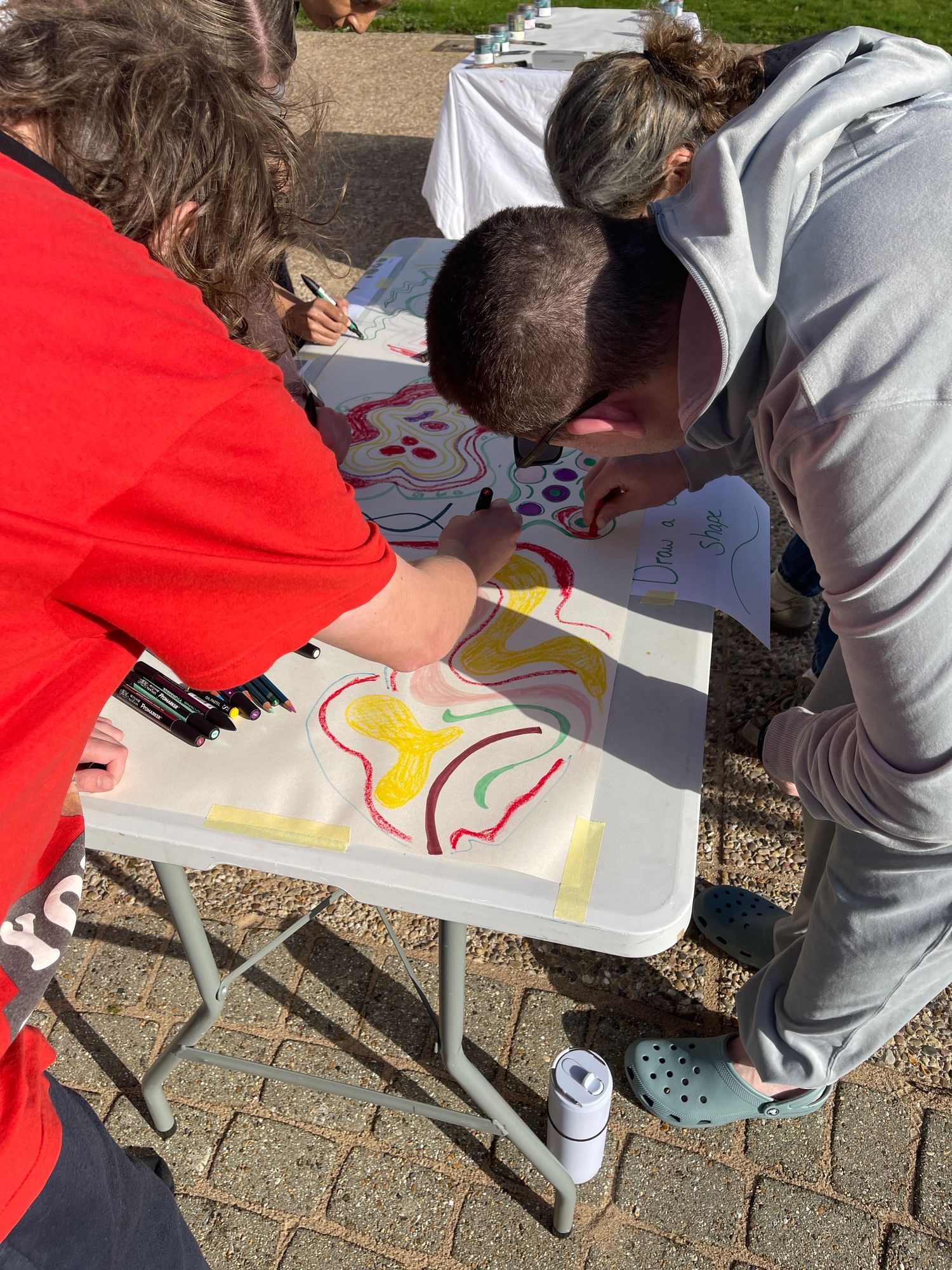
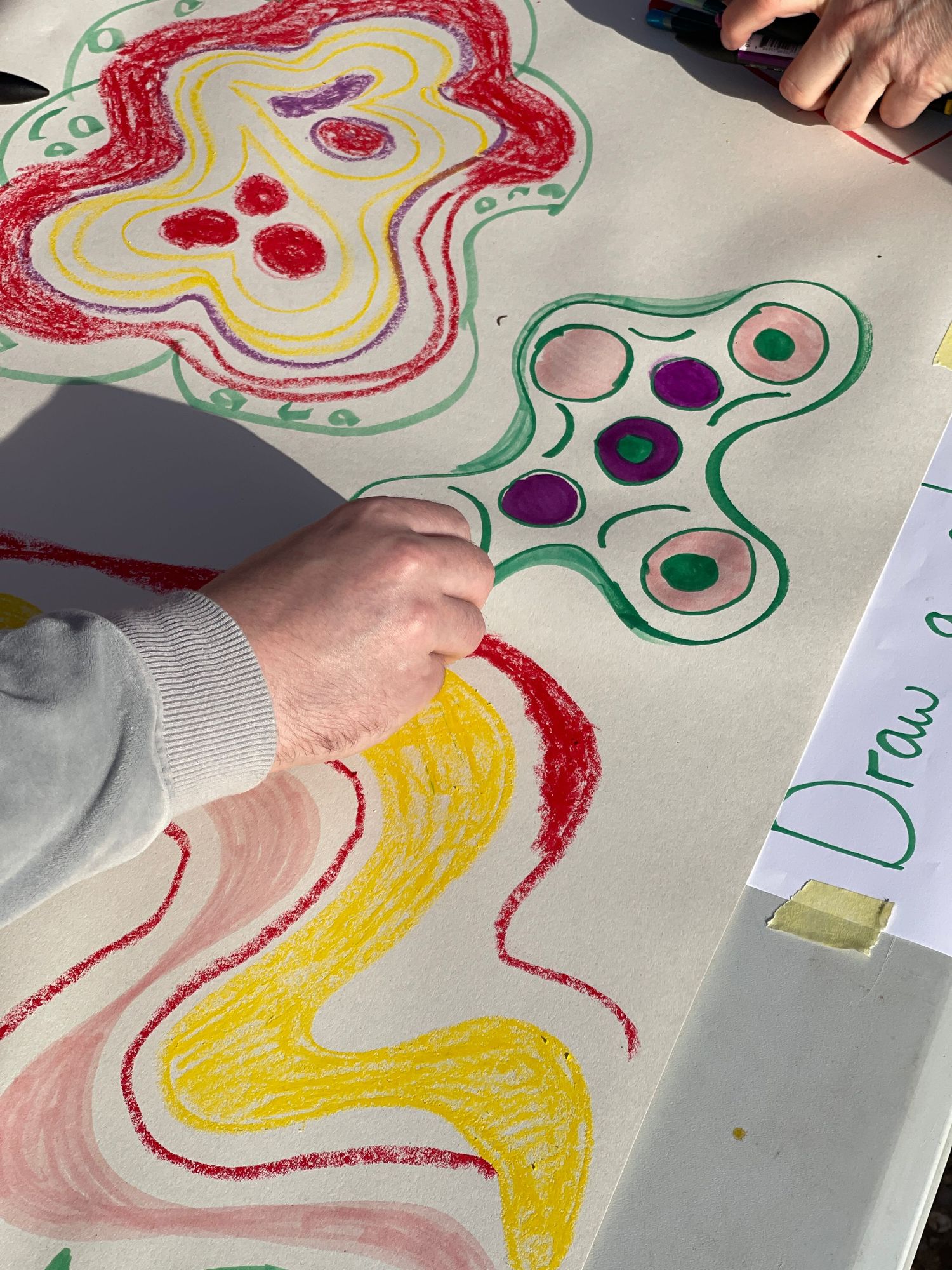
The project began with three workshops designed to build trust, encourage creativity and create an accessible environment where participants could confidently contribute ideas. The first session focused on getting to know one another through collaborative drawing, playful mark-making and conversations around colour and texture. Together, participants selected a shared colour palette and explored a range of healthcare-approved fabrics before choosing a wipeable, fire-retardant leatherette because of its cooling texture and tactile qualities.
Staff observed that the workshop created "a calm and soothing atmosphere," with the combination of drawing, music, tactile materials and gentle facilitation encouraging sustained engagement. One participant repeatedly returned to the fabric samples, discussing the subtle differences in texture and choosing the leatherette for both its tactile and visual qualities.
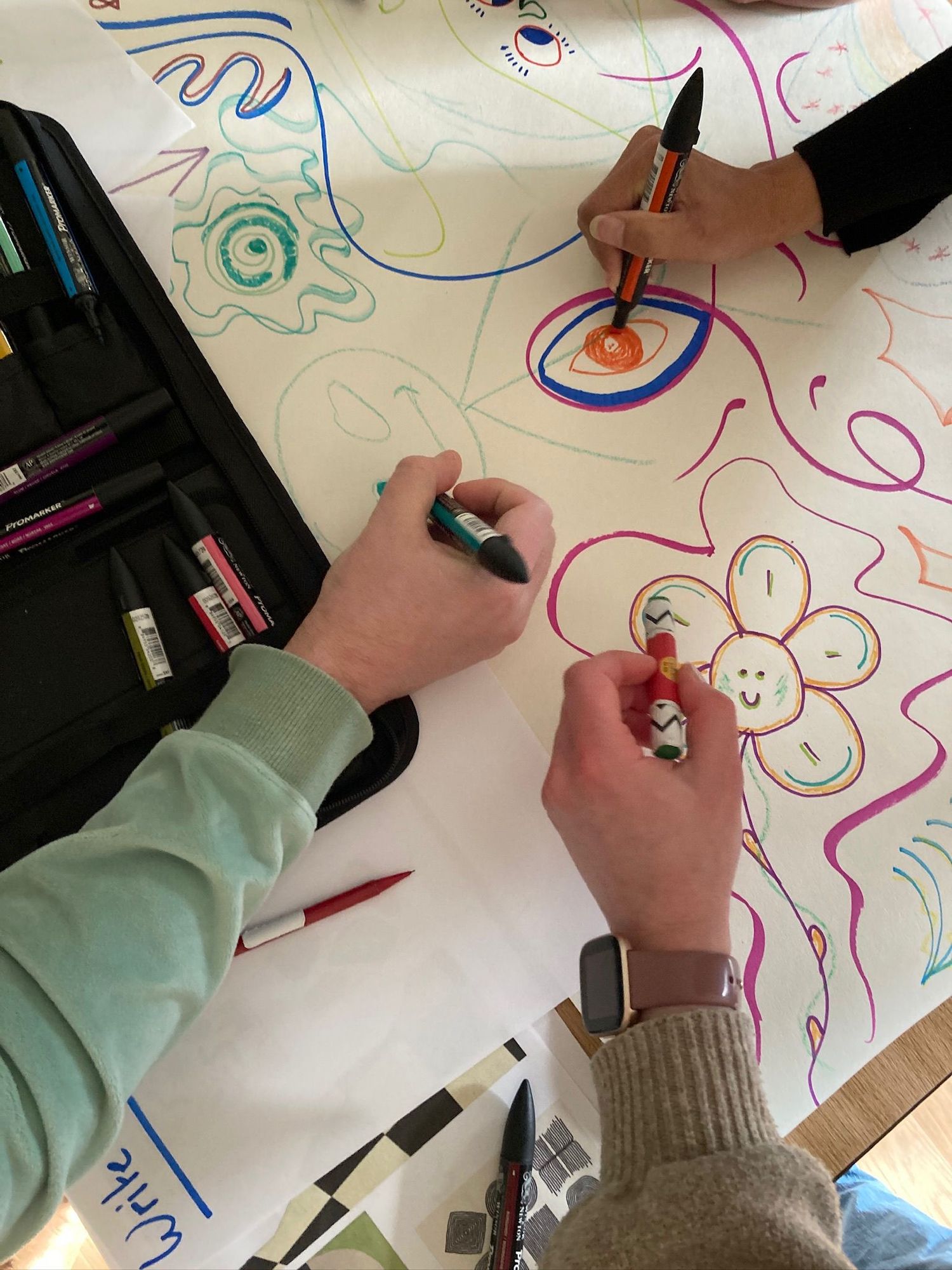
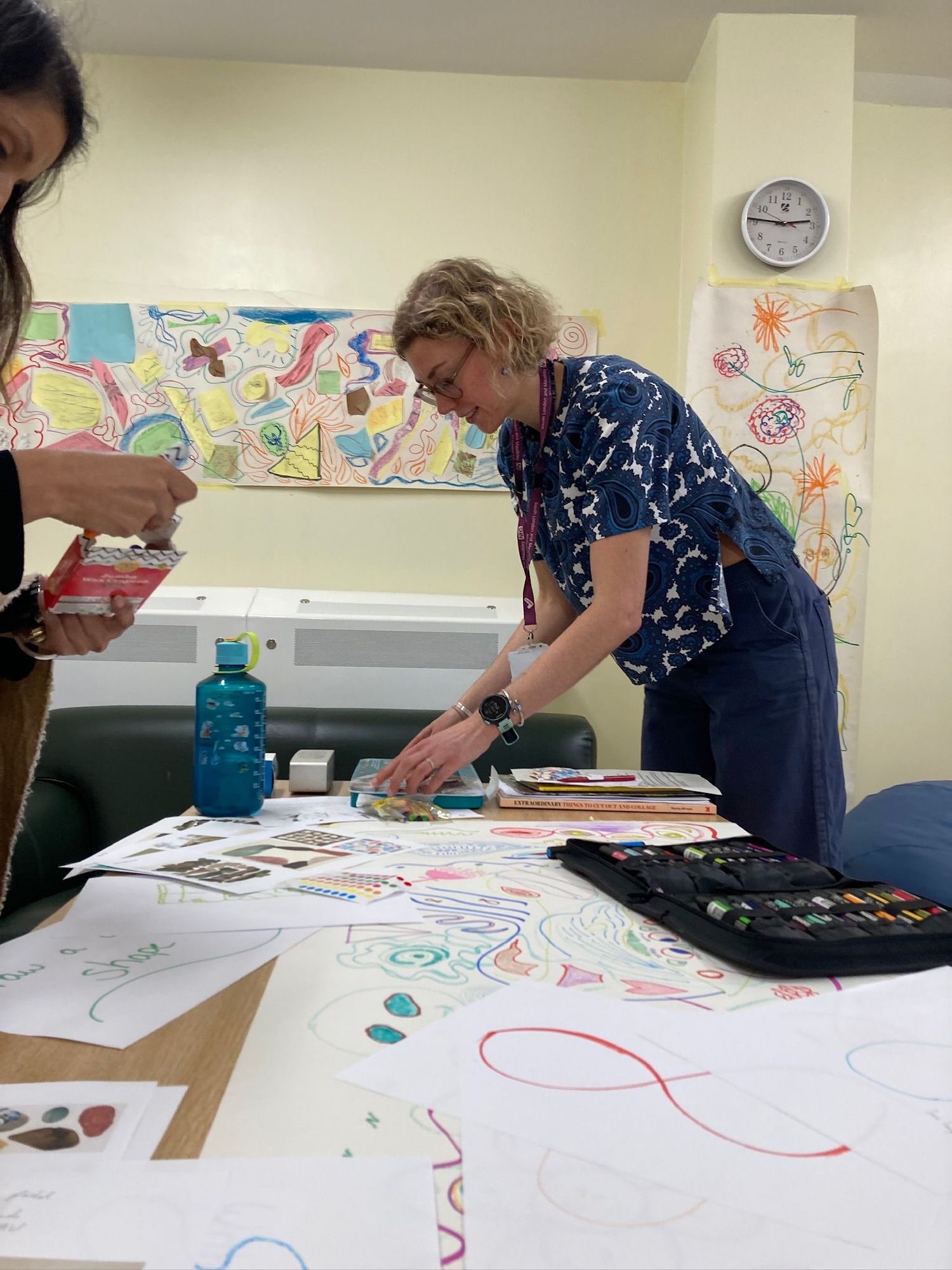
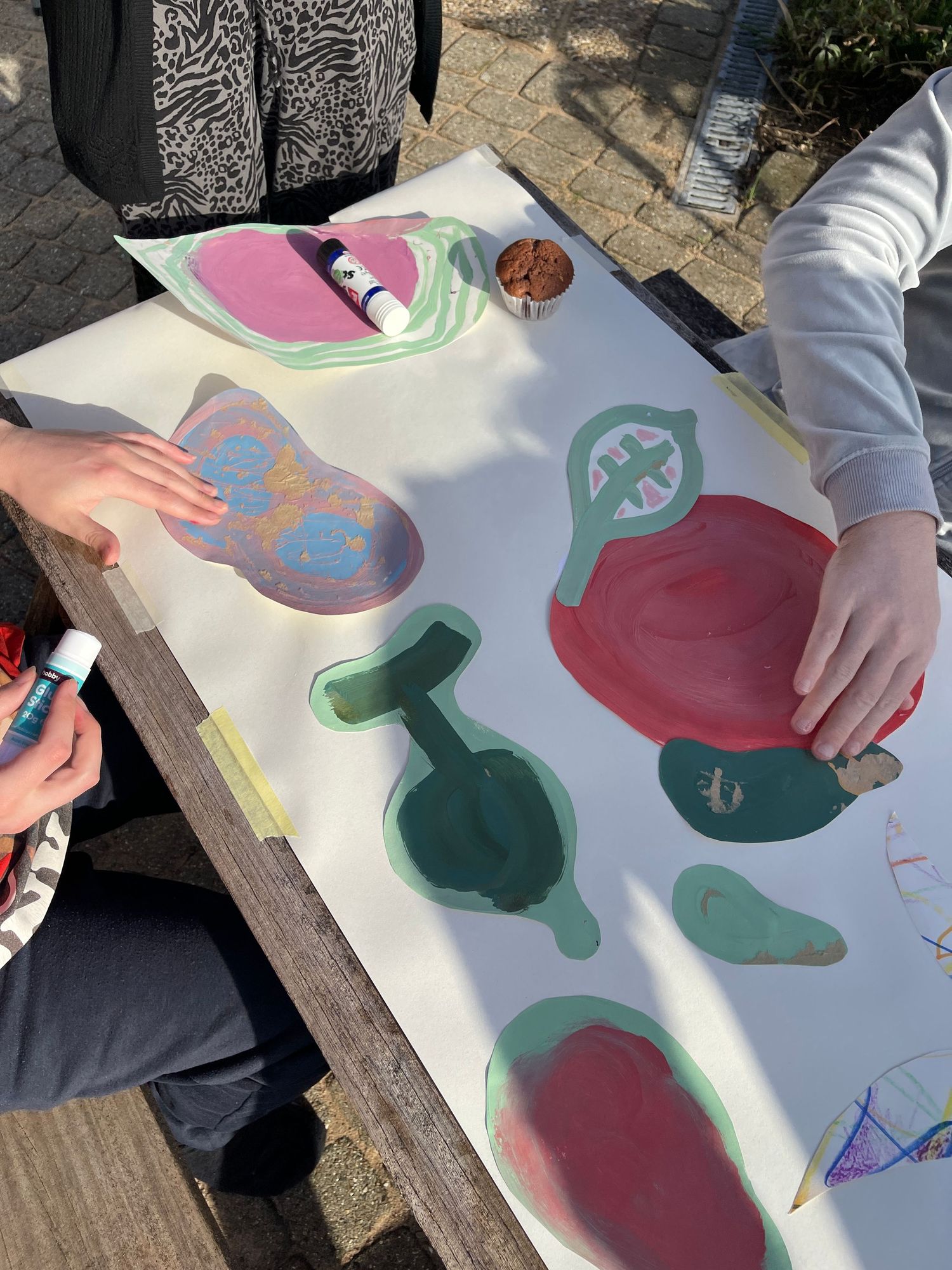
The second workshop focused on painting with the selected colour palette while exploring how the artwork might inhabit the ward. Through discussion, visualisations and collaborative making, the participants chose not only the aesthetic direction of the work but also dramatically expanded the ambition of the commission. What began as a proposal for a single mural evolved into a co-designed artwork spanning two wings of the National Autism Unit, the central communal area, alongside a collection of sculptural cushions.
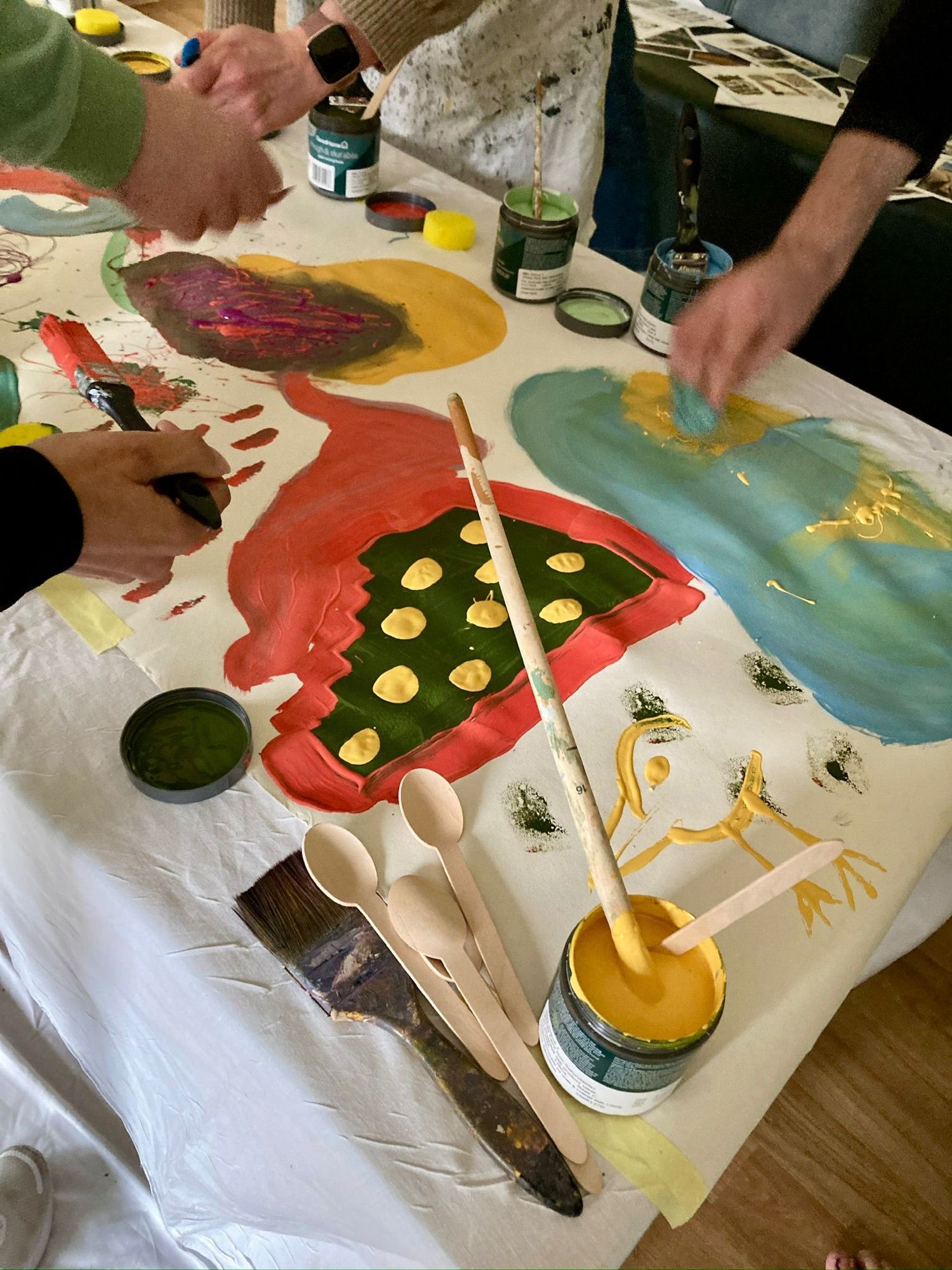
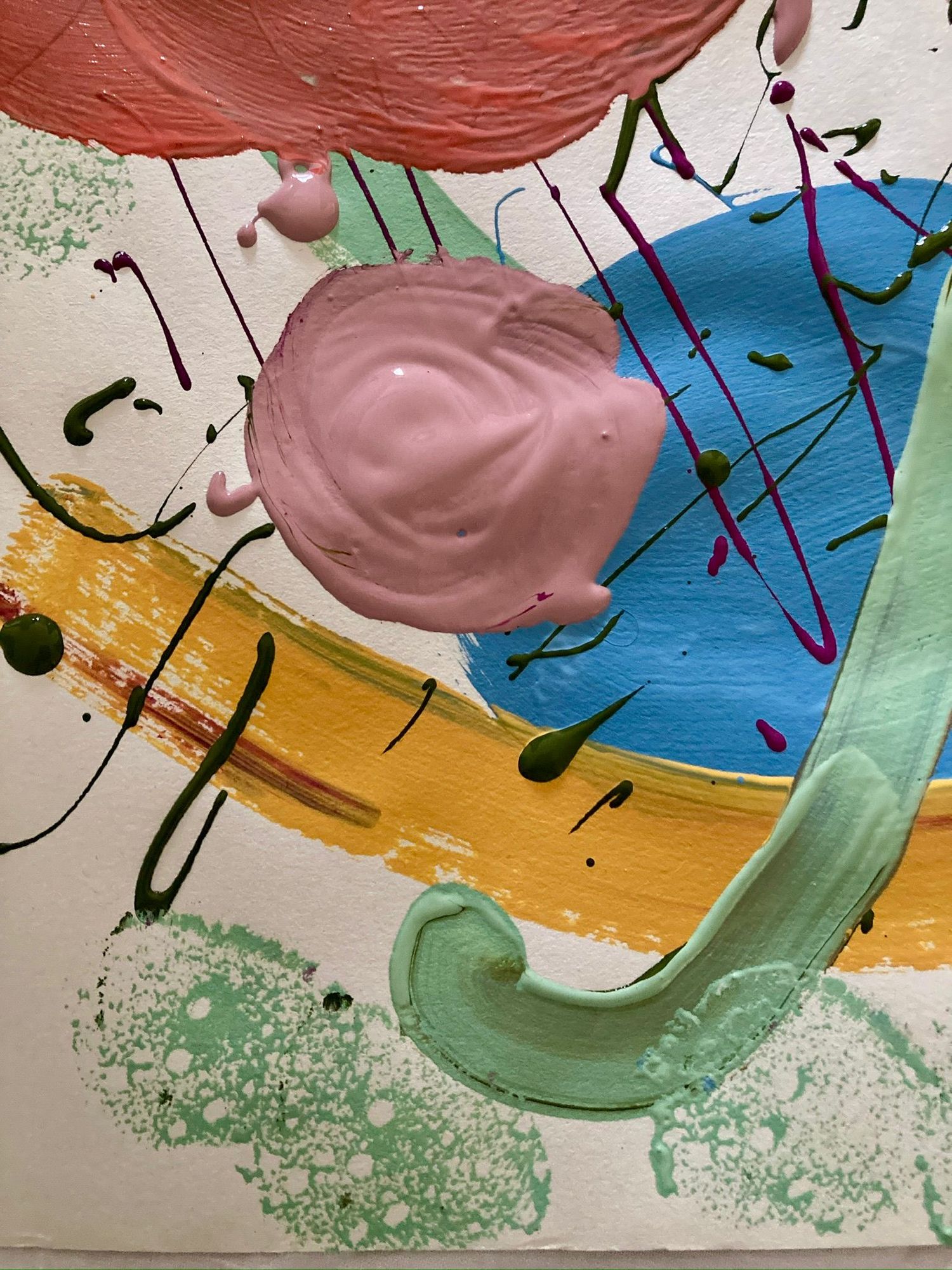
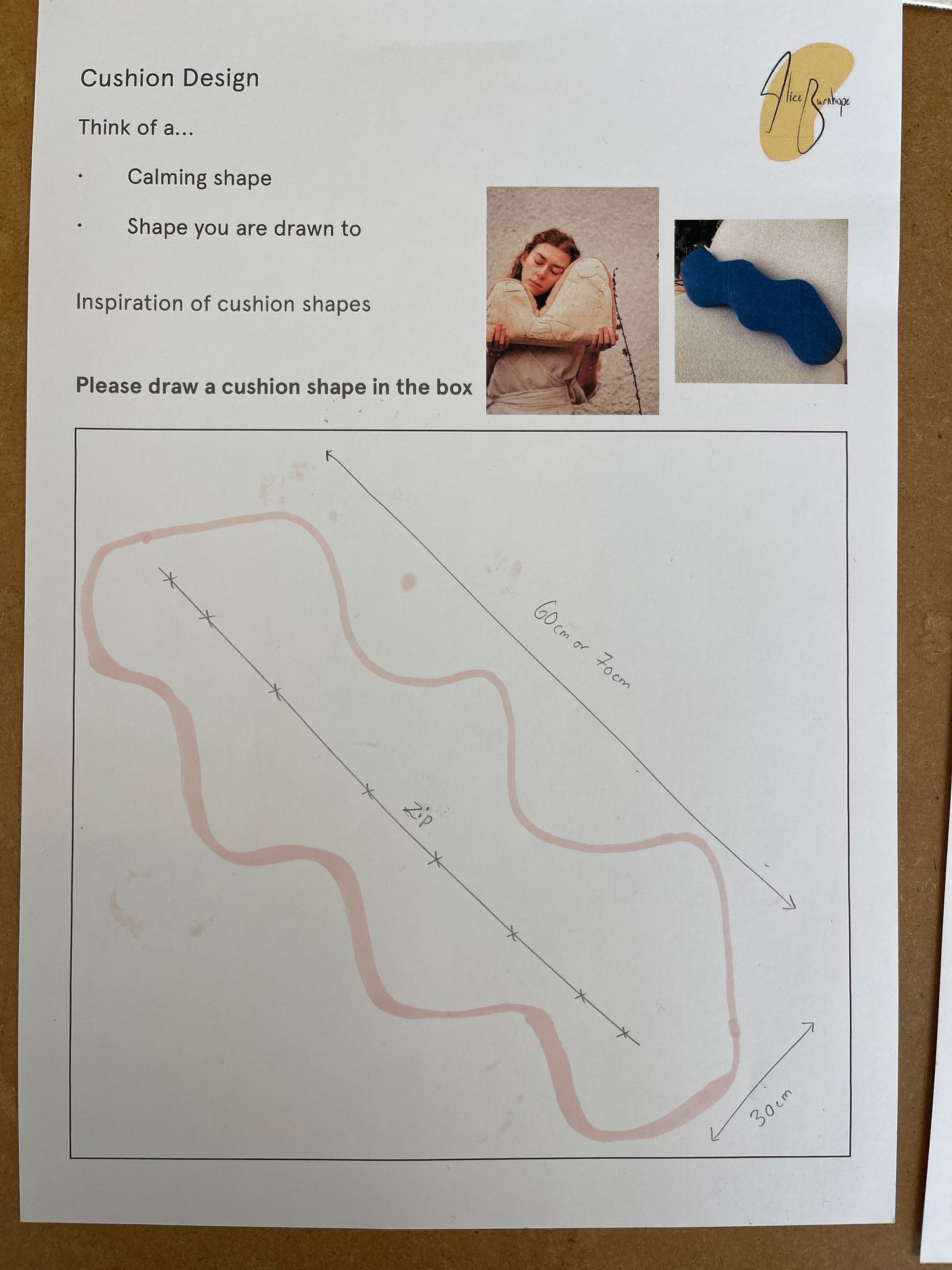
The final workshop became a space for experimentation and refinement. Participants explored painting, gesture and mark-making while also drawing the abstract shapes they wanted to become sculptural cushions. I used these drawings as templates to design a series of bespoke soft sculptures that translated their ideas into tactile three-dimensional forms.
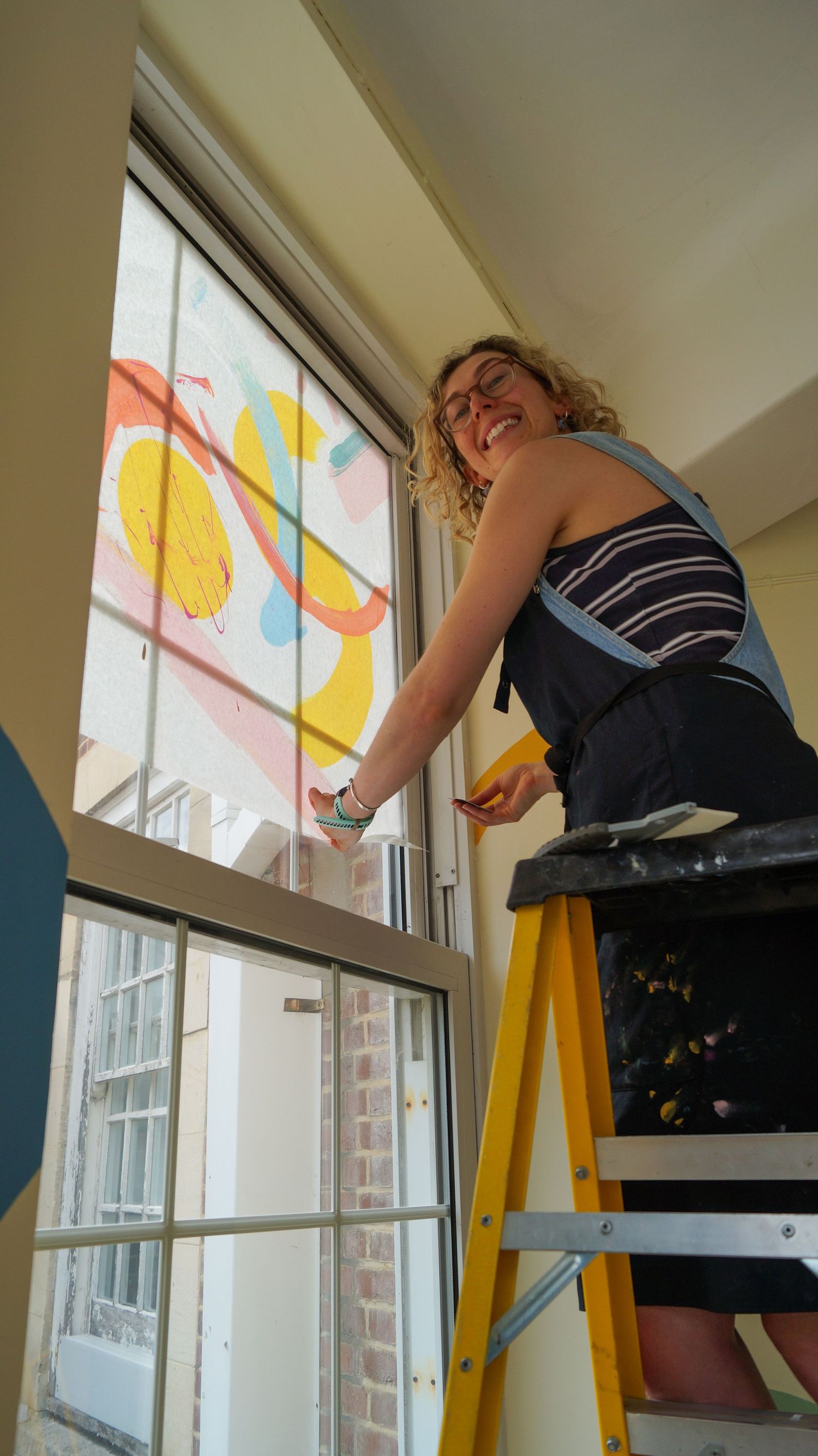
Alongside this, the paintings and drawings produced during the workshops became a growing archive of collaborative artwork. These were scanned and digitally printed onto both vinyl for the windows and the participants' chosen leatherette fabric so that every cushion retained the unique marks and gestures created throughout the sessions.
The workshops were consistently described by participants as "creative," "mindful," "therapeutic," "empowering" and "relaxing." One participant simply described the experience as "calming like the sea." Another reflected that being involved felt "creative, empowered, incredible good work."
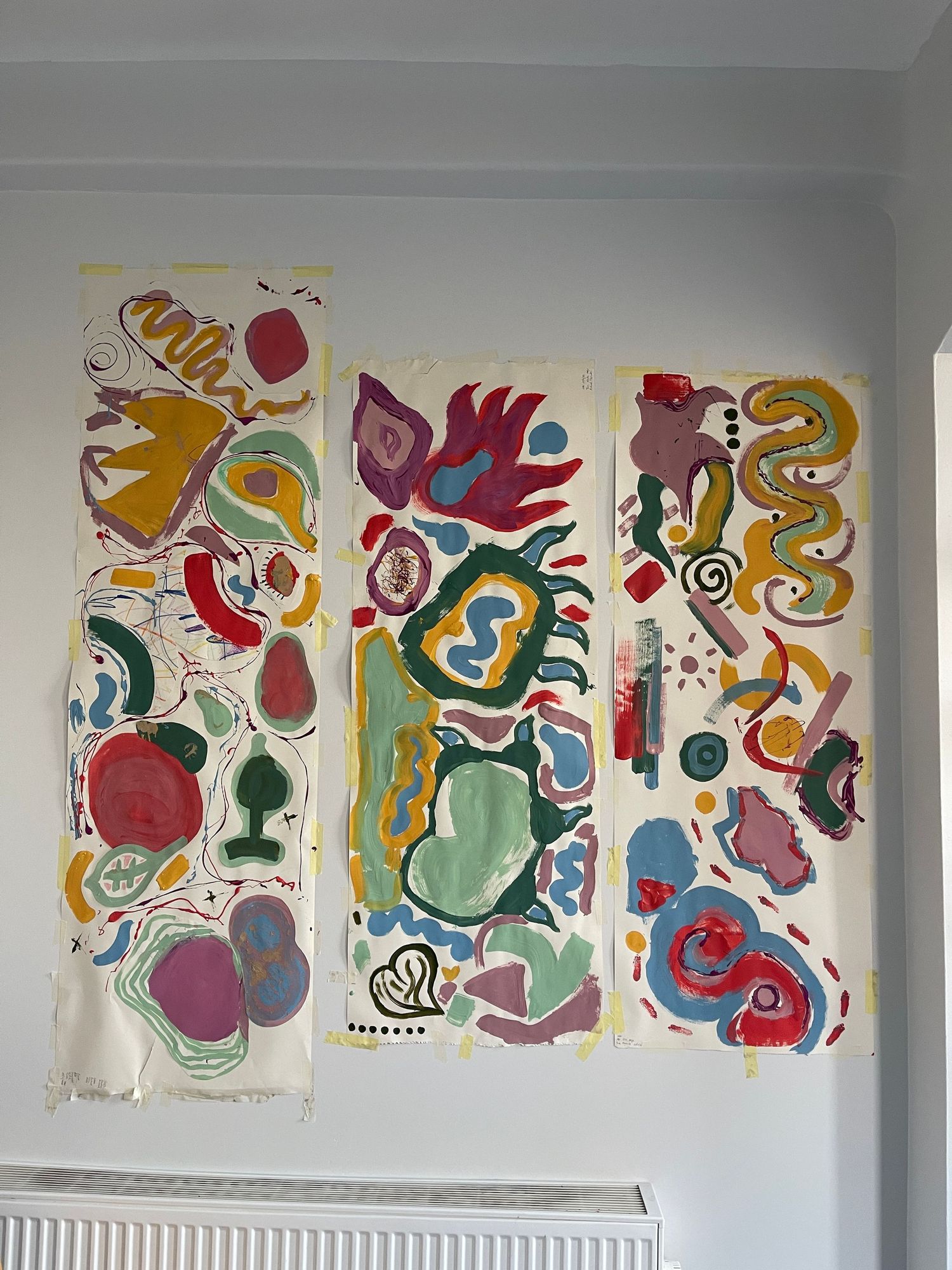
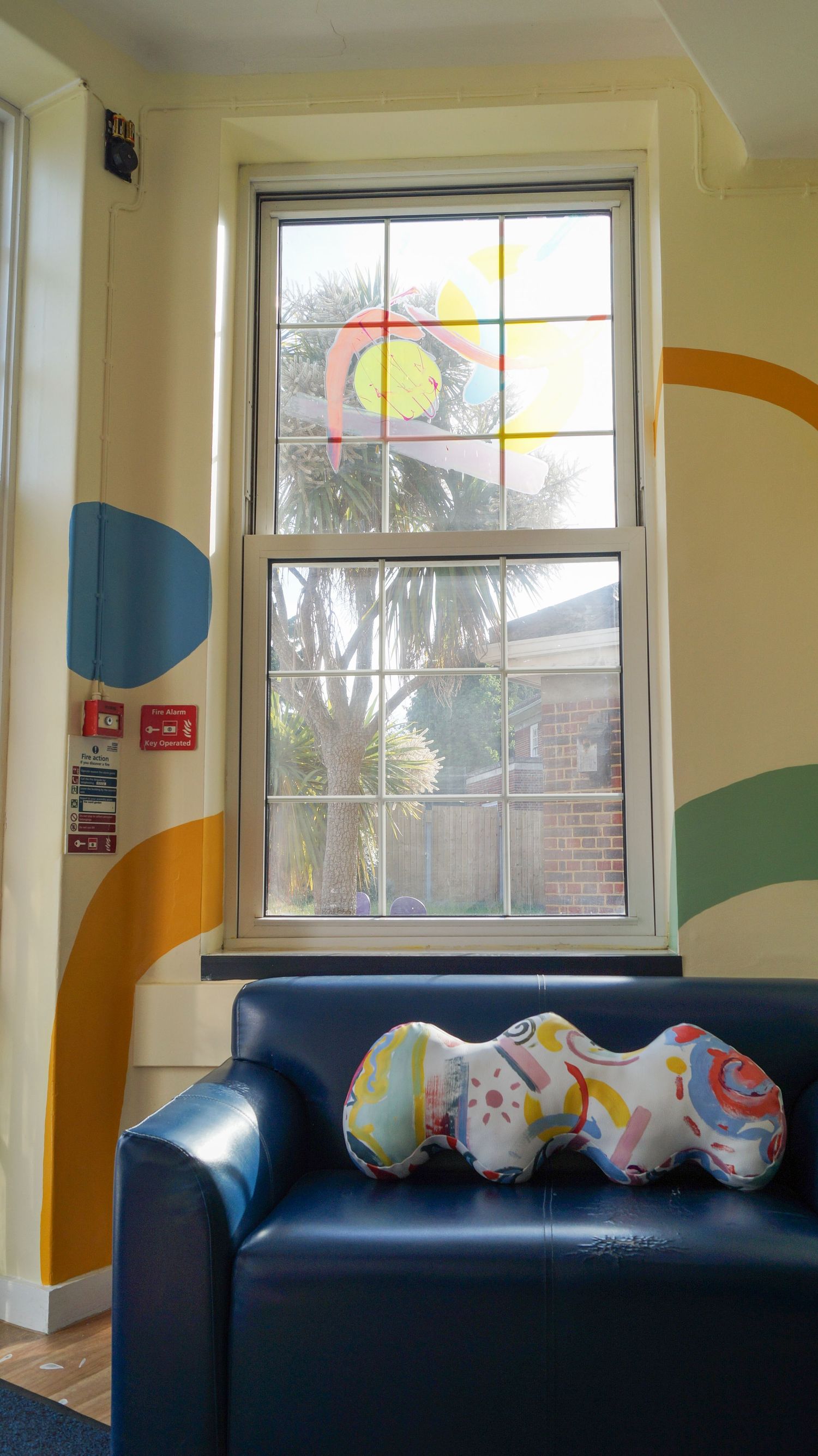
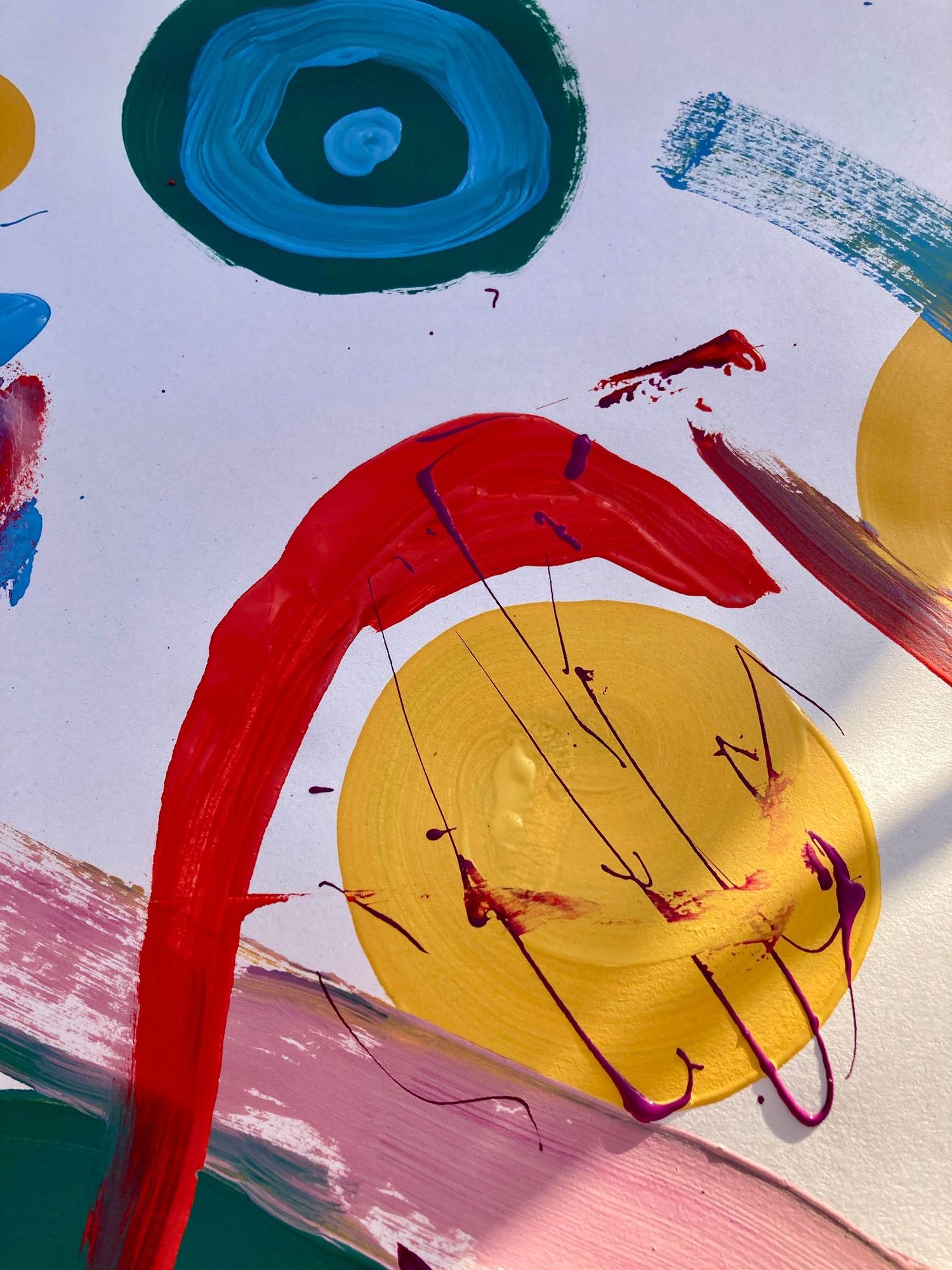
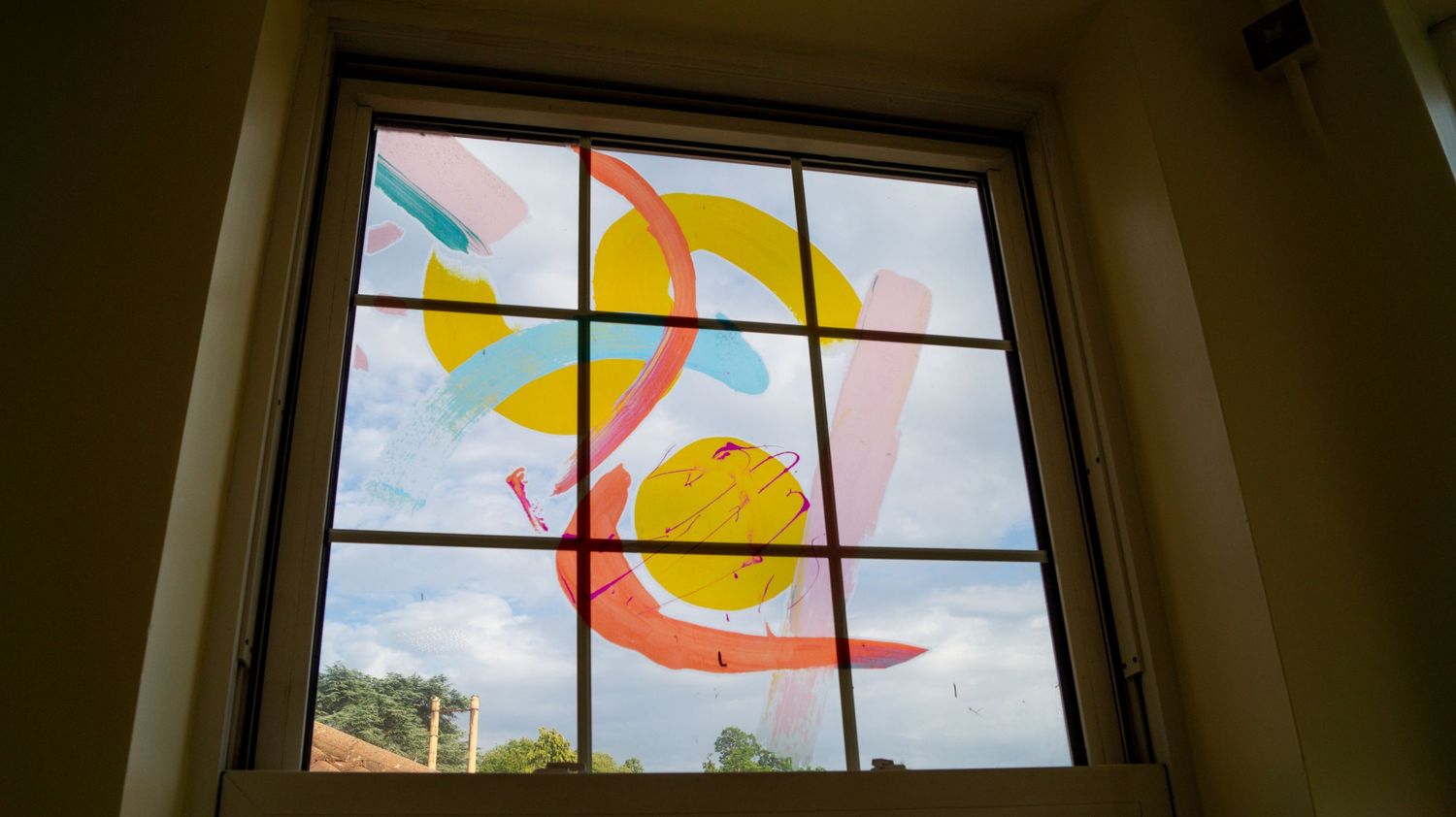
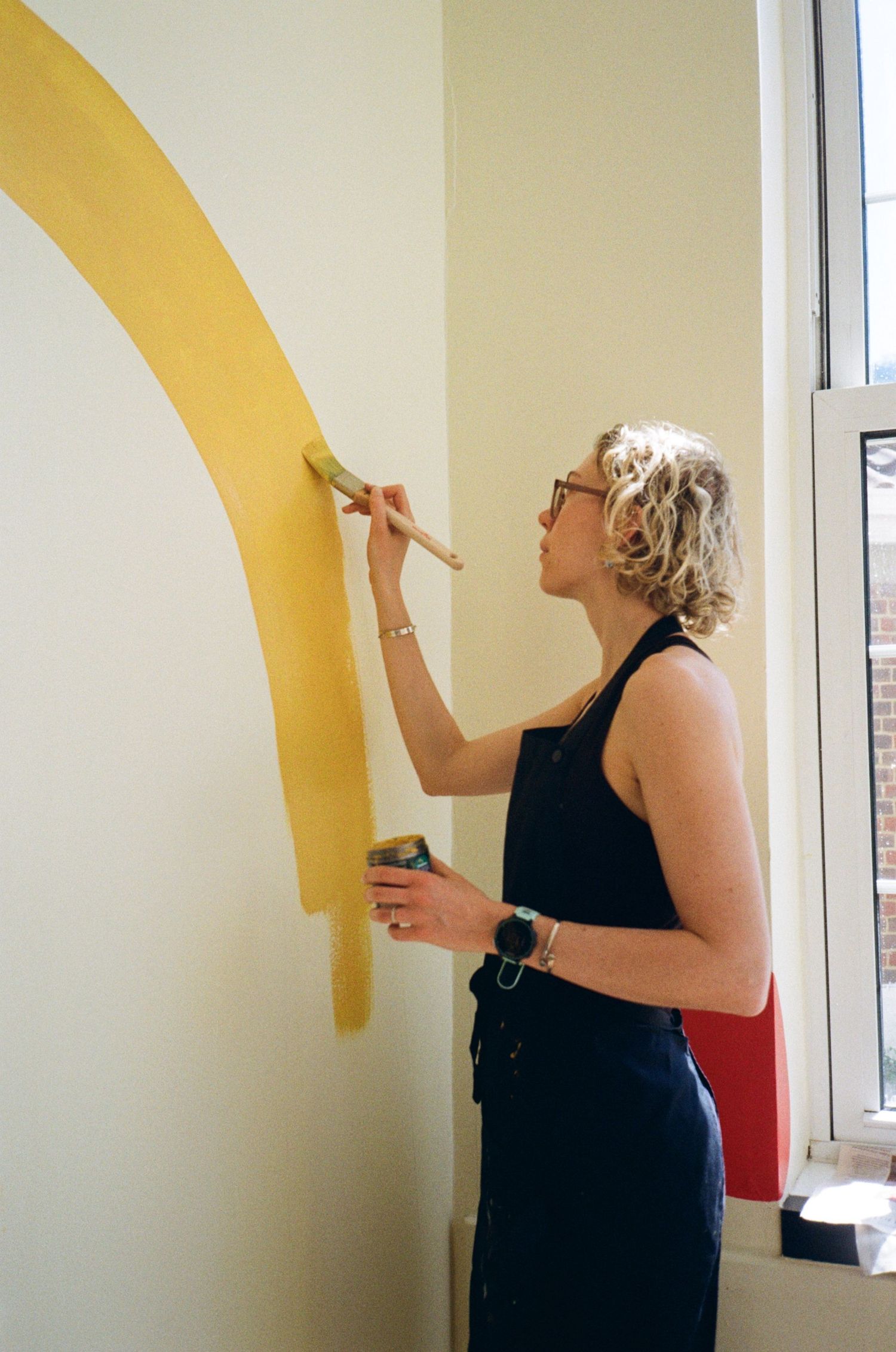
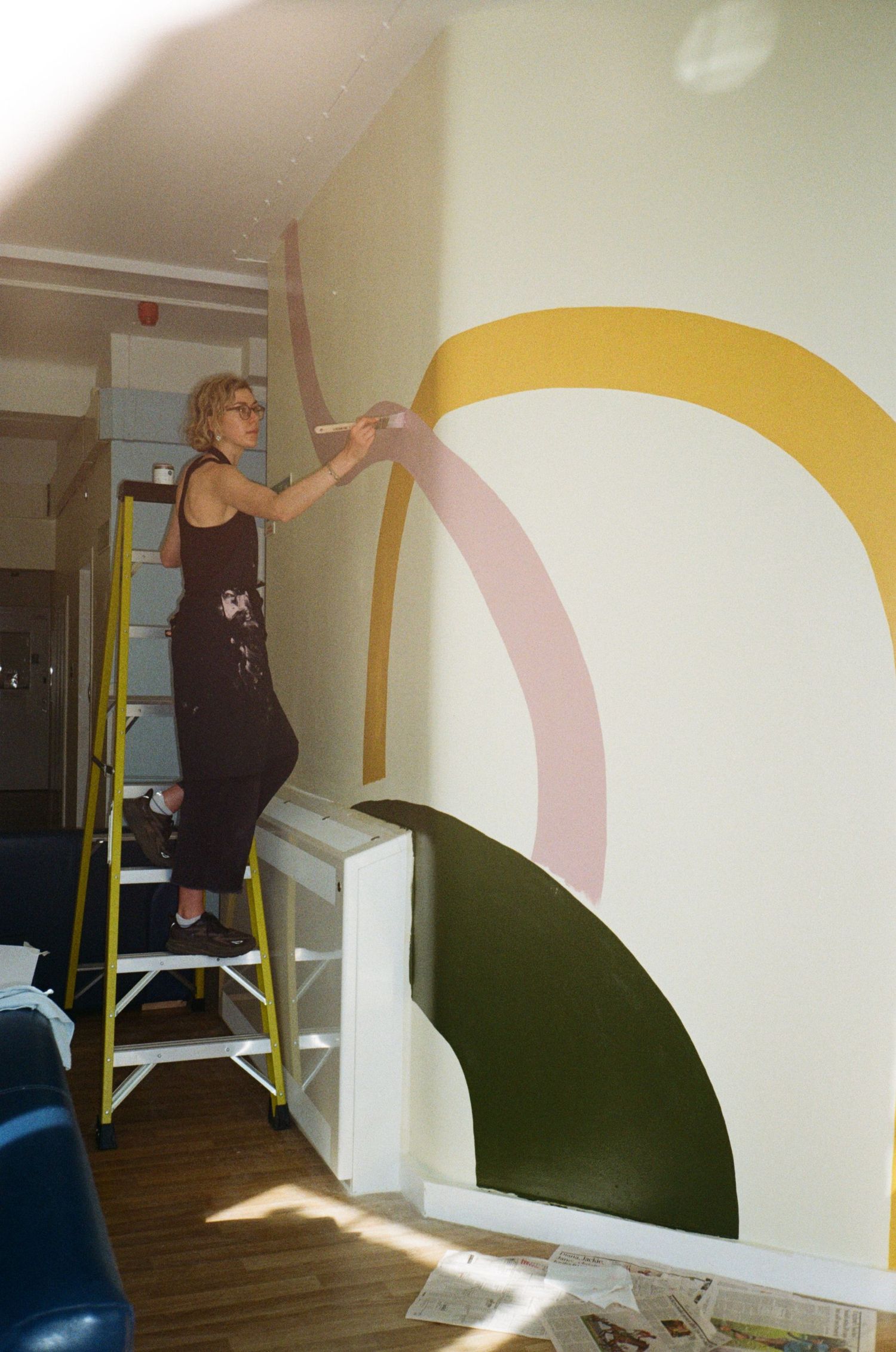
Following the workshops, I spent three days on site painting the mural. Working directly from the participants' drawings and paintings, I translated their marks, shapes and colour choices from paper onto the walls of the unit. The finished mural is therefore a genuinely co-designed artwork, where the visual language emerged from the collective creativity of the workshops while being carefully composed across the walls to create rhythm, movement and moments of pause throughout the space.
Alongside the mural and the window vinyls, I designed and fabricated a collection of sculptural cushions inspired by the abstract forms participants had drawn during the workshops. These tactile objects extended the mural into the everyday life of the ward, encouraging interaction while embedding the participants' creative voices into the furniture and shared spaces.
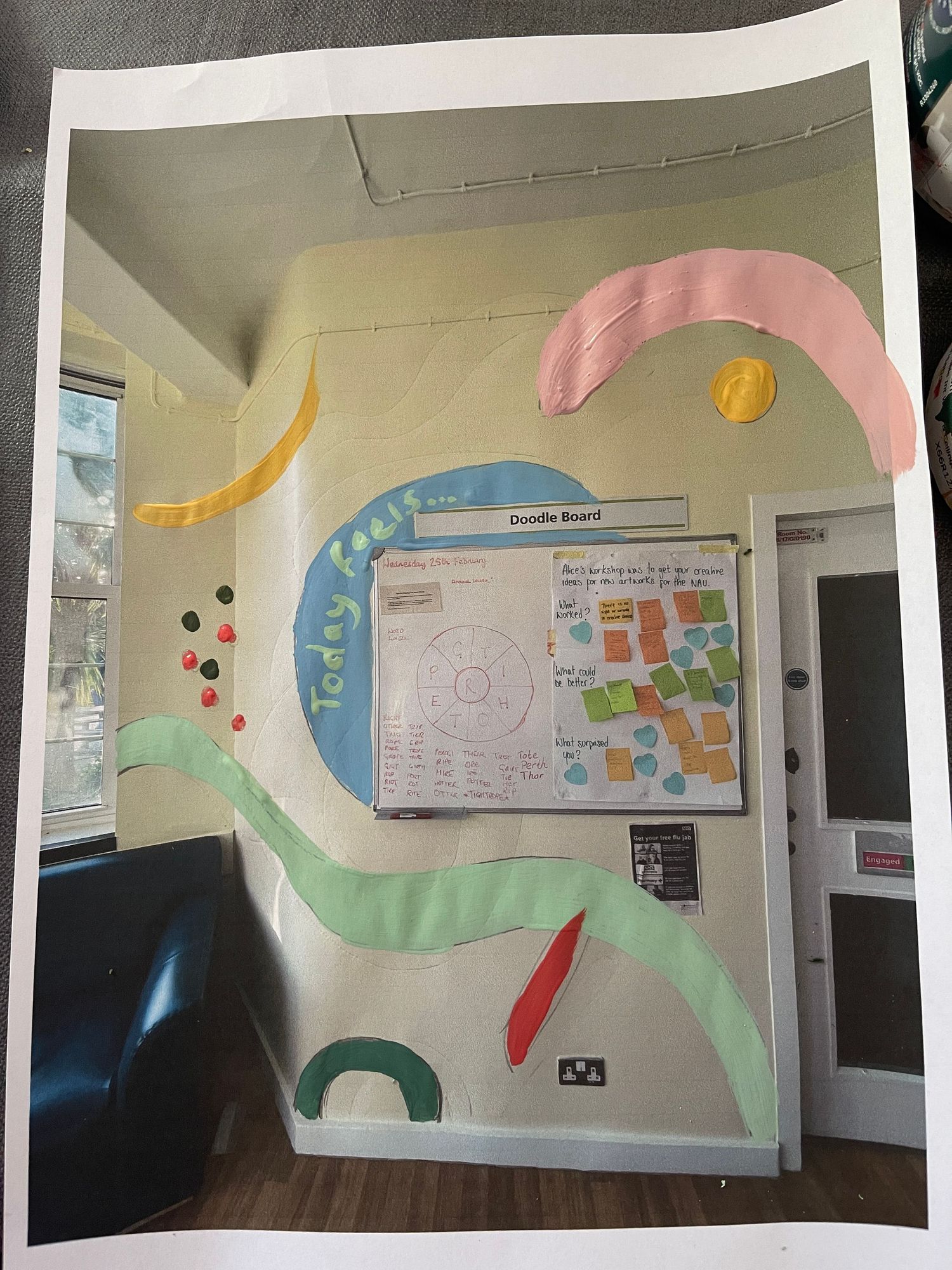
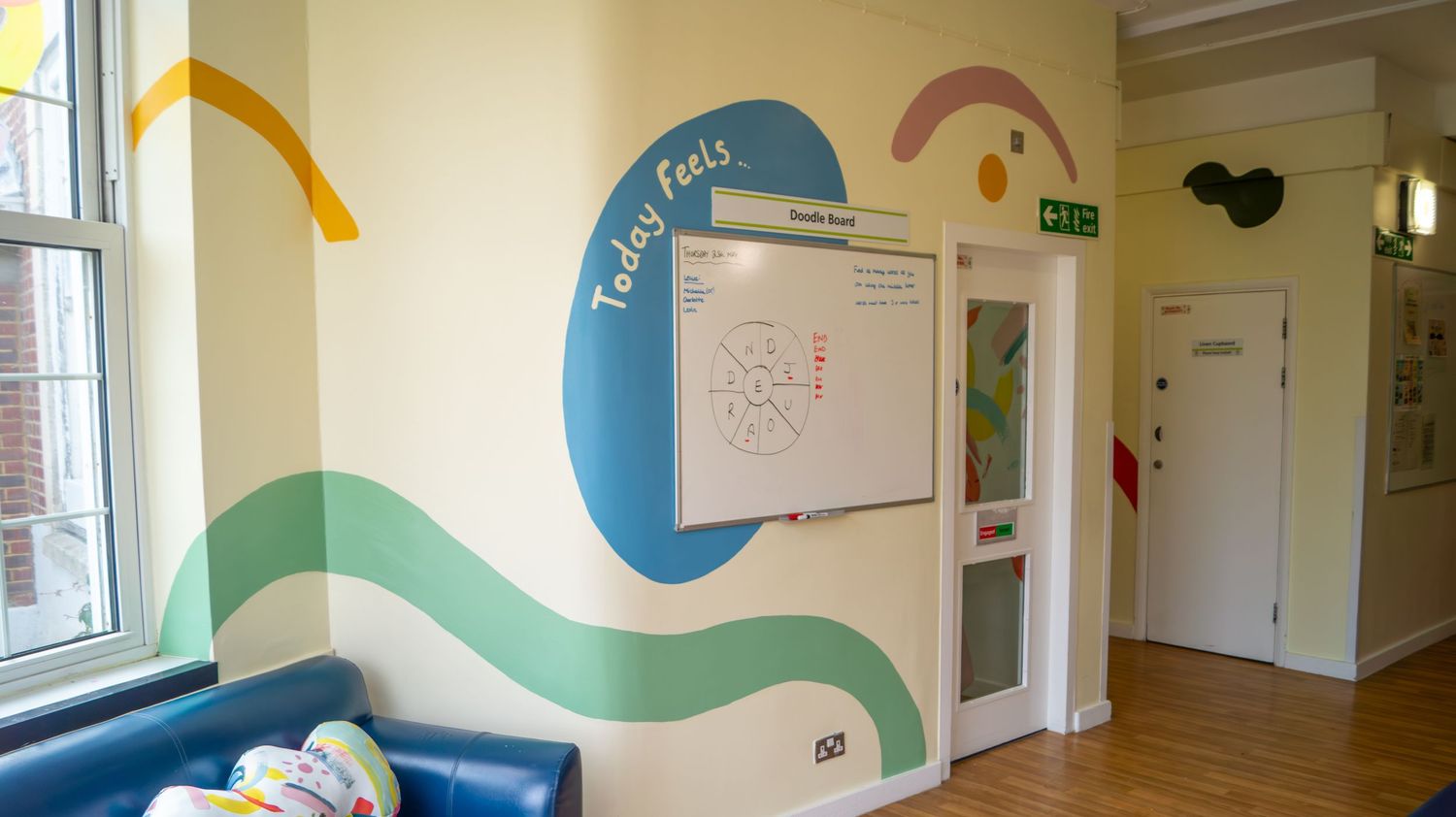
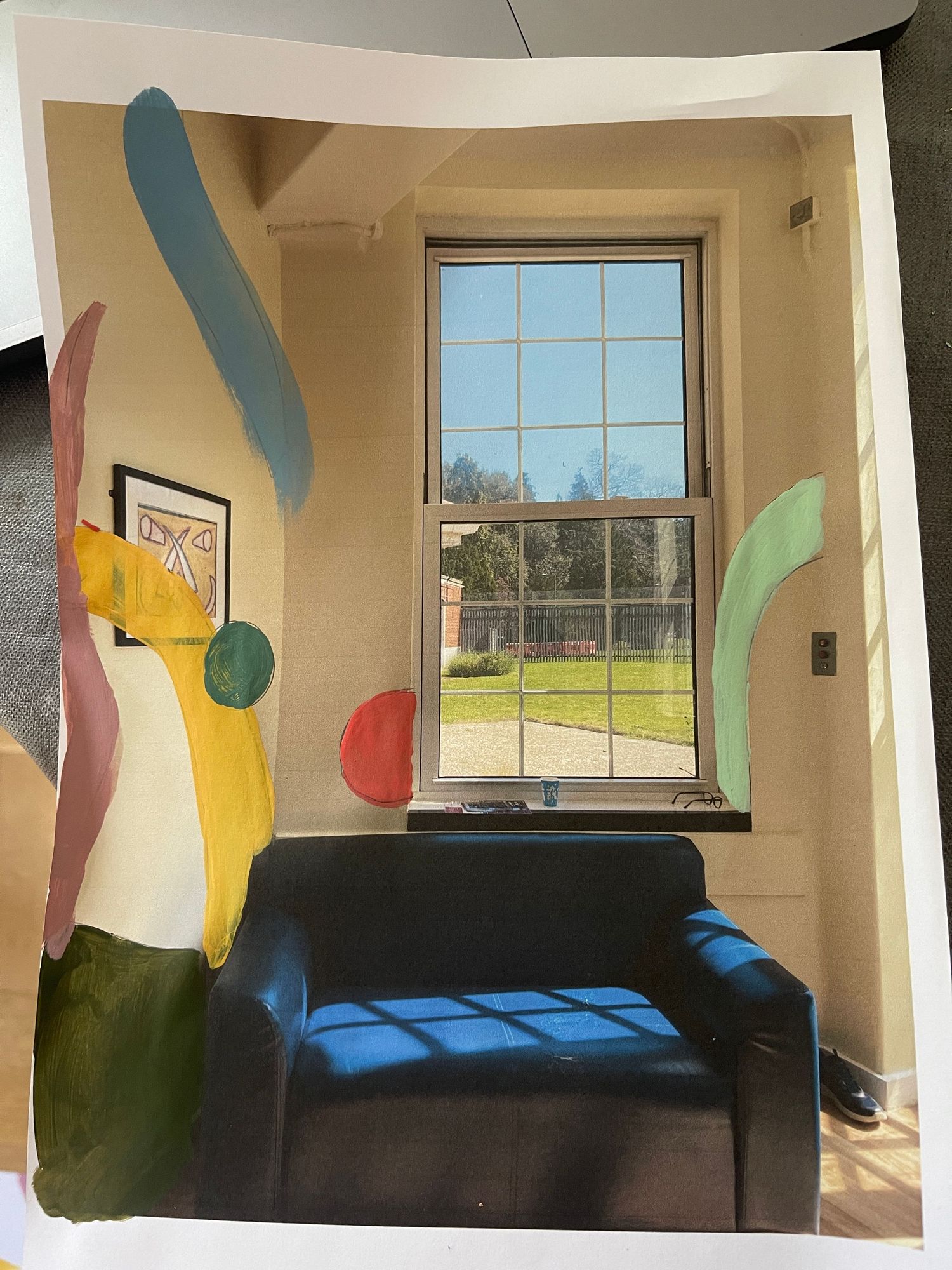
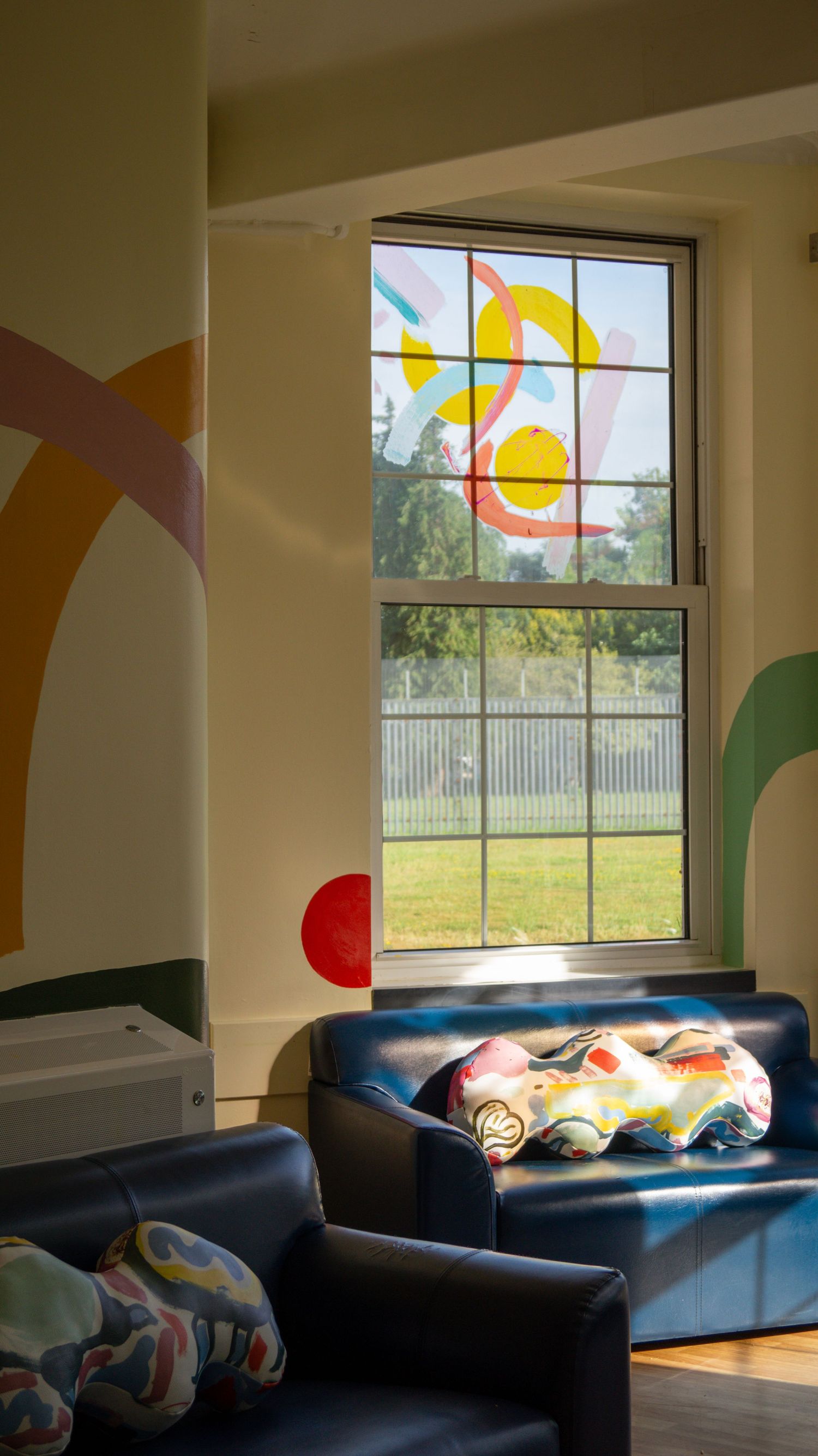
From visualisation to finished outcome
To encourage ongoing participation after the commission was completed, I also introduced an interactive whiteboard into the mural with the prompt "Today feels…" inviting service users, visitors and staff to respond through words or drawings. Rather than existing as a finished artwork, the installation continues to evolve through the daily contributions of the people who inhabit the space.
The project demonstrated how collaborative making can extend beyond participation as a process, becoming a genuine method of authorship where the people who use a space become active contributors to shaping it. Through shared decision-making, experimentation and making together, the final installation reflects not only a collective visual language but also a shared sense of ownership, belonging and care.